Software

Software Platforms.
Engineering Insight.
Operational Visibility.


Turn operational usage into defensible life-cycle decisions. TDA platforms provide aircraft- and fleet-level visibility grounded in validated engineering analysis.

Platform Overview

TDA platforms support mission-critical aviation programs.

Programs requiring:

  • Usage-based life-cycle tracking grounded in actual operational profiles
  • Fatigue spectra development and sequencing
  • Durability and damage tolerance assessment
  • Configuration and life-limited component traceability
  • Hard landing and in-flight exceedance detection
  • Fleet-level statistical monitoring and prognostics

Each platform enhances life-cycle visibility and data integrity. 
Engineering rigor remains the foundation.

Integrated Engineering Oversight

All TDA platforms are developed and supported by practicing engineers actively engaged in structural life assessment and airworthiness analysis.

These systems are not generic analytics dashboards. They are life-cycle management tools refined within active fleet programs and validated through operational application.


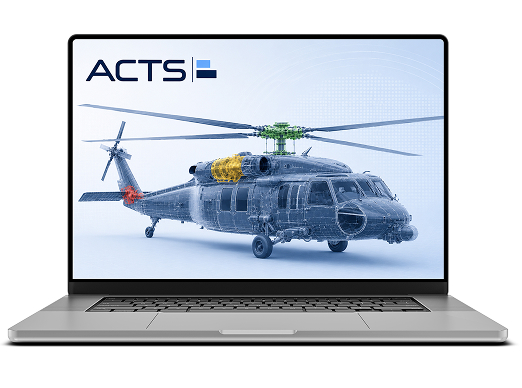
Aircraft Component Tracking System

ACTS provides enterprise-level configuration control and life-limited component tracking across distributed fleets. It preserves structural and component traceability as assets move between aircraft, ensuring life-cycle accounting remains accurate and auditable.

Programs requiring:

  • Aircraft configuration management
  • Life-limited and dynamic component tracking

  • Usage-based damage allocation to individual components

  • Maintenance history and audit-ready reporting
  • Fleet-level configuration visibility

ACTS supports programs where configuration control directly impacts structural life management and airworthiness compliance.

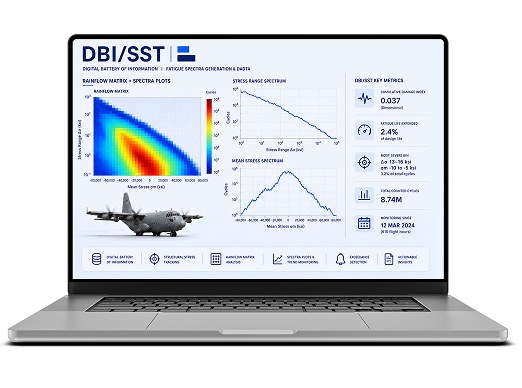
DBI/SSTTM

Fleet Usage Assessment &
Fatigue Spectra Development for DADTA
DBI/SSTTM (Database Interface/Spectra Sequencing Tool) supports structured fatigue life programs through validated usage characterization and spectrum generation.
  • Mission profile definition and regime mapping

  • Flight spectrum generation and sequencing

  • Gust and turbulence integration within spectra

  • Durability and damage tolerance analysis inputs
  • Fleet-level fatigue trend evaluation
  • Usage-based life-cycle modelingibility

DBI/SSTTM (Database Interface/Spectra Sequencing Tool) supports structured fatigue life programs through validated usage characterization and spectrum generation.

iat.life

Individual Aircraft Tracking &
Structural Fatigue Prognostics

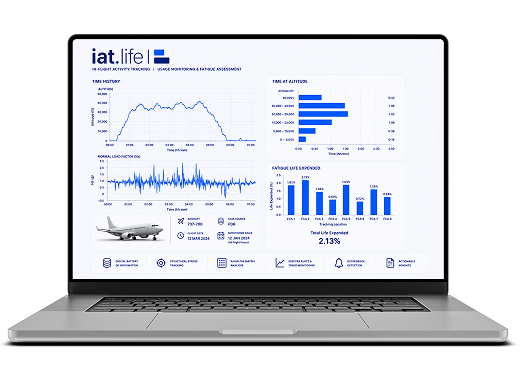
iat.life (IAT) provides aircraft-specific structural fatigue tracking and prognostic modeling. Rather than relying on fleet averages, IAT supports life-cycle oversight at the individual aircraft level.

It provides:

  • Individual aircraft usage monitoring

  • Flight-by-flight fatigue life tracking

  • Probability of Failure (PoF) inputs

  • Maintenance history and audit-ready reporting
  • Fleet-level configuration visibility

IAT supports aging fleet management, modification planning, and aircraft-specific risk assessment.

exceed.aero

Aircraft Usage Monitoring &
Exceedance Assessment

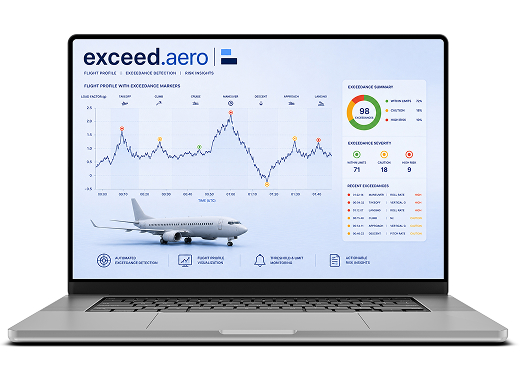
exceed.aero integrates exceedance detection and regime recognition into structural life-cycle workflows.

It provides:

  • Hard landing detection

  • In-flight usage exceedance monitoring

  • Regime recognition-based load history classification

  • Event-based damage 
accumulation inputs

  • Integration with fatigue and 
life-cycle models

This platform ensures that exceedance events are quantified within a structured fatigue assessment, not treated as isolated maintenance flags.

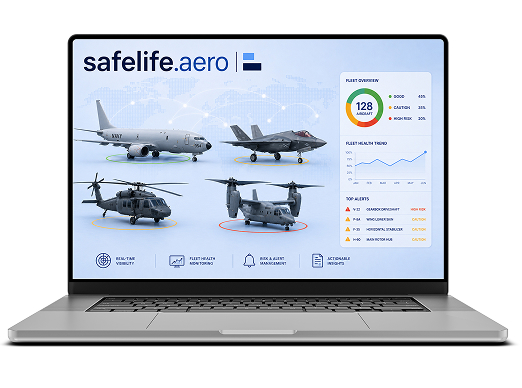
safelife.aero

Fleet Usage Statistics Monitoring & Life-Cycle Prognostics

safelife.aero provides fleet-wide statistical life-cycle visibility and long-term planning insight.

It enables:

  • Aggregated usage trend analysis
  • Fleet-level fatigue damage tracking

  • Prognostic modeling and life-cycle forecasting

  • Utilization sensitivity assessment
  • Structured reporting for program leadership

safelife.aero supports data-driven sustainment planning grounded in validated operational usage.